Source Commercial Outdoor Inflatable Volleyball Court for Resorts, Malls, Homes
Compare 30 commercial outdoor inflatable volleyball court options from verified suppliers. Browse specifications, materials, and pricing for resort hotels, shopping malls, and residential venues to find the right solution.
Key considerations
Products List
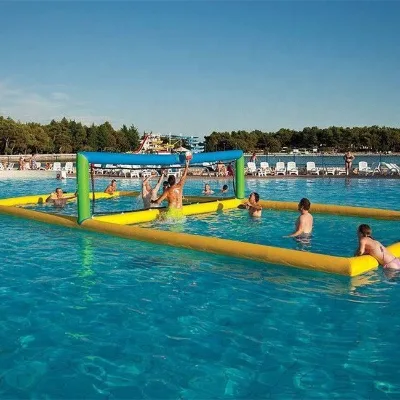
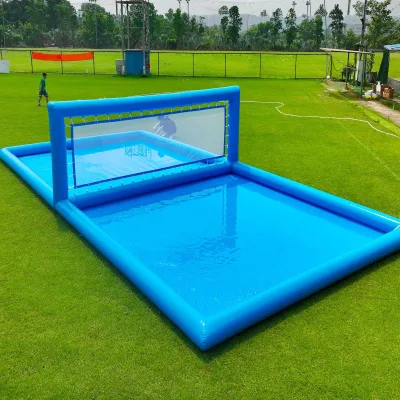
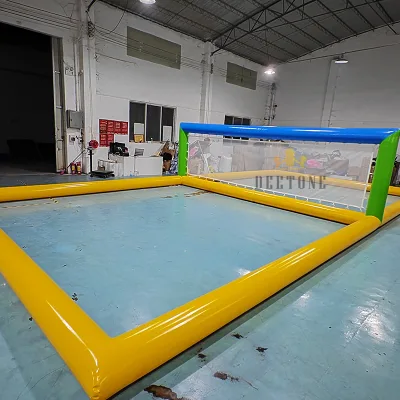
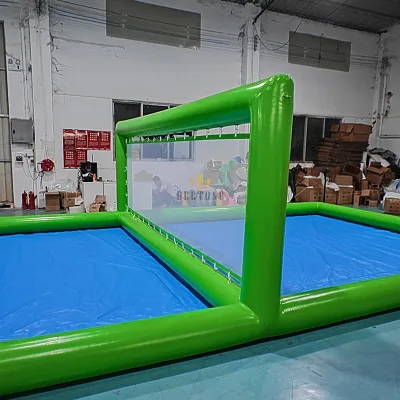
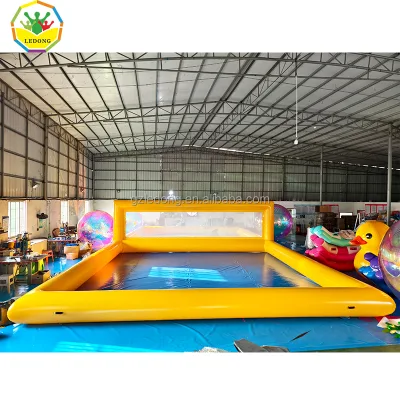
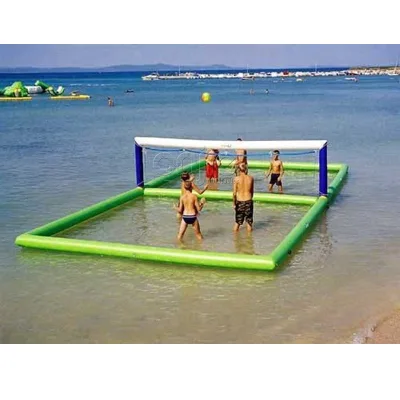
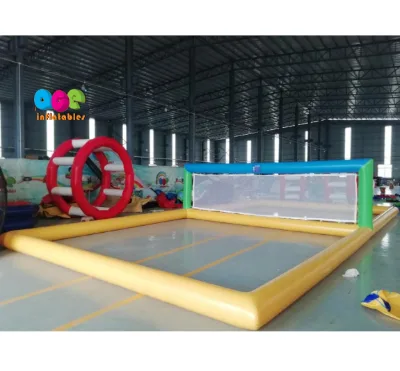
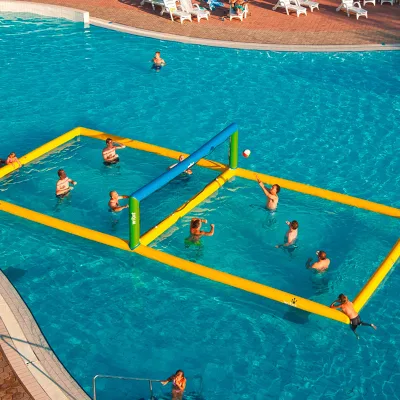
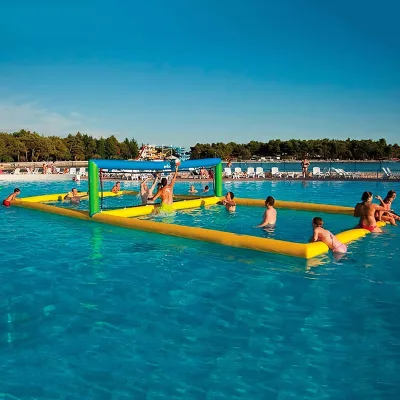
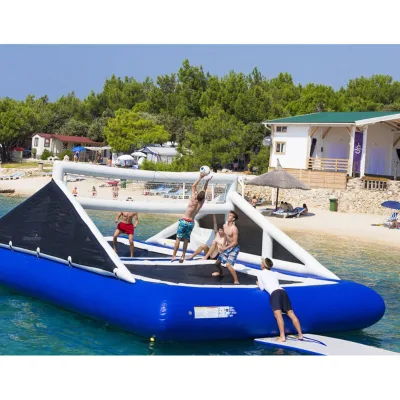
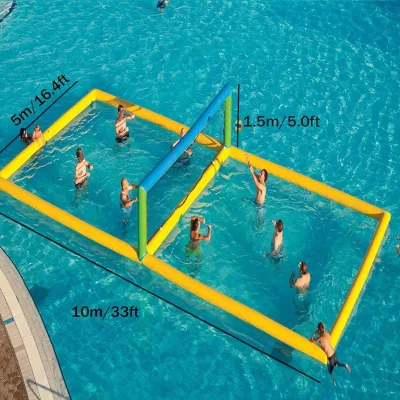
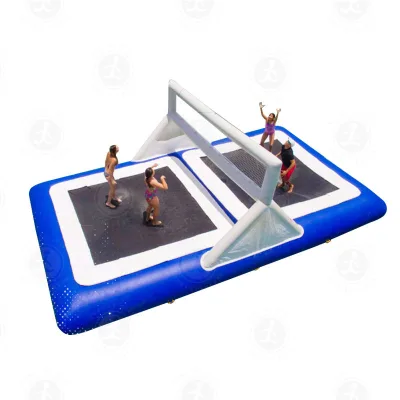
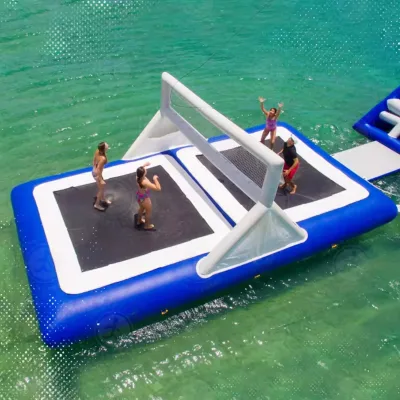
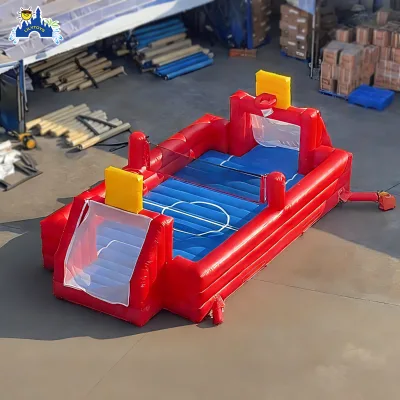


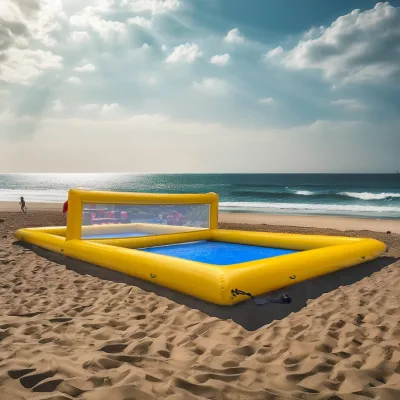
Comprehensive Sourcing Guide
Strategic Sourcing Guide for Commercial Outdoor Inflatable Volleyball Courts
Procuring a commercial outdoor inflatable volleyball court requires a rigorous evaluation of technical specifications, material durability, and supplier reliability. Unlike standard recreational inflatables, commercial-grade units must withstand high-frequency usage, varying weather conditions, and the safety demands of public venues. This guide synthesizes observed market data and verified product attributes to assist procurement professionals in making informed decisions. The focus remains on objective analysis of available product configurations, ensuring that buyers can identify units that meet specific operational requirements without relying on unverified marketing claims.
Technical Specifications and Dimensional Analysis
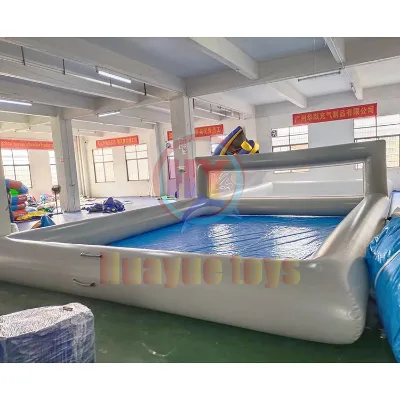
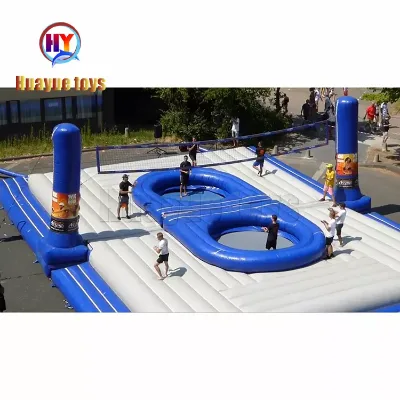
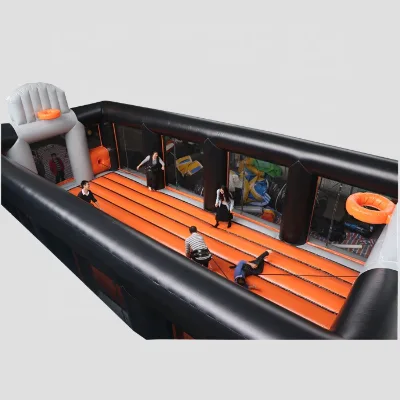
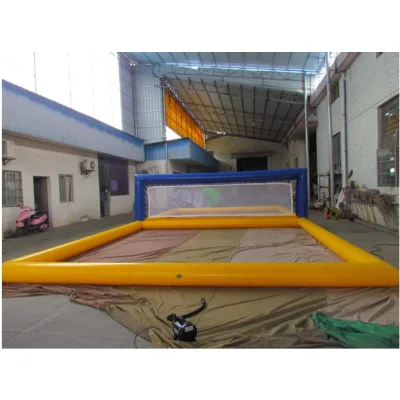
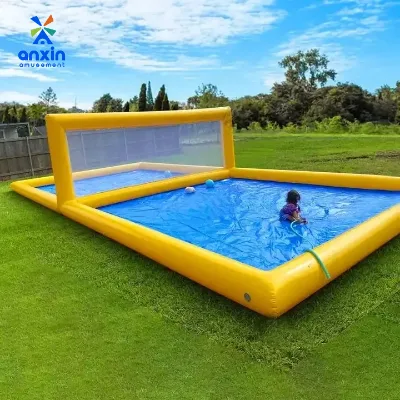
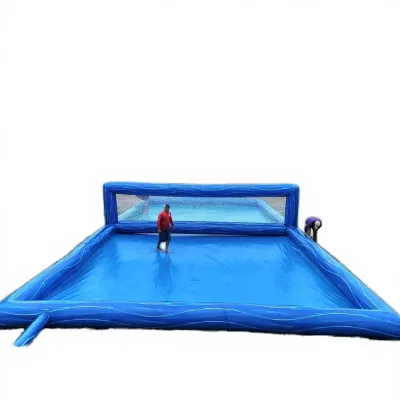
The physical footprint and structural integrity of an inflatable volleyball court are paramount for commercial deployment. Market observations indicate that dimensions vary significantly between manufacturers, directly impacting the suitability of a unit for specific venues. A common configuration observed in the sector features a size of 11 meters by 4.5 meters with a height of 2 meters, designed to accommodate standard play areas while maintaining a compact profile for transport. Conversely, other models in the commercial space may offer a larger footprint, such as 12 meters in length, 6 meters in width, and 2 meters in height, or alternative dimensions like 10 meters by 5 meters with a height of 2.1 meters.
When evaluating these specifications, buyers must align the court dimensions with the available floor space of their intended location, whether it be a shopping mall atrium, a resort hotel pool deck, or an outdoor commercial plaza. The single package size is another critical logistical factor. Units are typically packed into boxes measuring approximately 95 cm by 65 cm by 25 cm, though variations exist. The gross weight of a single unit can reach up to 33.0 kg, necessitating careful planning for loading, unloading, and on-site inflation procedures.
The inflation mechanism is a defining technical characteristic. All observed commercial units are confirmed to be inflatable, utilizing high-pressure pumps to achieve the necessary structural rigidity. The internal structure relies on airtight technology, often achieved through hot welding techniques rather than simple stitching, to ensure that the court maintains its shape and safety margins under load. The allowable passenger capacity for these structures is generally observed to exceed 10 individuals simultaneously, which is a crucial metric for calculating throughput in high-traffic commercial environments.
Material Composition and Durability Standards
The longevity and safety of an inflatable volleyball court are inextricably linked to the material composition. The industry standard for high-performance commercial units involves the use of 0.7mm thick PVC (Polyvinyl Chloride) that is specifically engineered for airtightness and durability. This material is often treated to be fire-retardant and UV-protected, which is essential for outdoor applications where exposure to direct sunlight and potential ignition sources is a risk. The observed service life for such units is approximately 8 years, provided that maintenance protocols are followed.
Some suppliers may specify the material simply as "PVC Tarpaulin" or generic "PVC," but the thickness and treatment are the differentiating factors. For commercial use, the 0.7mm specification is a baseline for heavy-duty application. Thinner materials may be suitable for temporary or low-traffic events but are prone to premature failure in a commercial setting. The stitching method also plays a role in structural integrity; while some units utilize quadruple stitching for added strength, others rely on hot welding for a seamless, airtight bond. Buyers should verify the specific construction method during the sourcing process to ensure the unit can withstand the dynamic forces of volleyball gameplay.
Compliance, Certification, and Safety Verification
Safety compliance is non-negotiable for commercial inflatable equipment. The primary certification observed in the market for these products is the CE mark, which indicates conformity with health, safety, and environmental protection standards for products sold within the European Economic Area. While this is a significant indicator of quality, buyers must verify that the specific batch of products they are purchasing carries valid, current certification documentation.
Beyond the CE mark, procurement teams should inquire about fire-retardancy testing results, as the material is explicitly described as fire-retardant in product listings. However, without specific test data provided in the source context, buyers should request independent third-party test reports to confirm the fire rating meets local regulatory requirements for their specific jurisdiction. Additionally, the age range for usage is broad, spanning from infants to adults (0 to 24 months up to 14 years and up), which implies the design must accommodate various user sizes and weights. The maximum capacity is noted to exceed 500 kg, a figure that should be cross-referenced with the intended user load to ensure safety margins are not exceeded.
Cost Drivers and Pricing Variables
The pricing landscape for commercial outdoor inflatable volleyball courts is highly variable, reflecting differences in material quality, brand reputation, and customization levels. Observed price ranges in the market span from approximately $6.20 to $9,800 USD. This wide disparity suggests that the lower end of the spectrum may represent smaller, simpler units or promotional items, while the upper end likely corresponds to fully customized, high-specification commercial installations.
Several factors drive these costs. The customization of the color and the inclusion of a custom logo printed on the unit are significant value-adds that influence the final price. Units with a "Customized" color option or specific branding for a commercial client will typically command a premium over standard blue or "as picture" configurations. Furthermore, the inclusion of accessories, such as free repair kits, can affect the overall value proposition. The shipping method, whether by sea, air, or express, also impacts the total landed cost, particularly for heavy units with a gross weight of 33.0 kg. Buyers should request detailed breakdowns of costs to understand how much of the price is attributed to the unit itself versus logistics and customization.
Supplier Evaluation and Operational Capabilities
Selecting the right supplier involves more than just comparing product specifications; it requires assessing the supplier's operational capabilities and service terms. The market data indicates that suppliers are located in key manufacturing hubs in China, specifically in Shandong and Guangdong provinces. This geographic concentration suggests a mature supply chain, but buyers should verify the specific origin of the unit they are purchasing to ensure consistency with the claimed specifications.
Key operational metrics to evaluate include the production time, which is observed to be between 10 and 15 days for standard orders. This lead time is critical for project planning, especially for events with fixed dates. Payment terms typically include T/T (Telegraphic Transfer) and Trade Assurance, providing a layer of financial security for the buyer. The availability of OEM (Original Equipment Manufacturer) and ODM (Original Design Manufacturer) services is another important factor, allowing businesses to create branded units that align with their corporate identity.
The service life of 8 years and the provision of a 24-month warranty are strong indicators of supplier confidence in their product. However, buyers must clarify the terms of the warranty, including what constitutes valid claims and the process for handling defects. The availability of repair kits as a standard accessory is a positive sign, indicating that the supplier anticipates the need for maintenance and supports the long-term usability of the product.
Typical Applications and Usage Scenarios
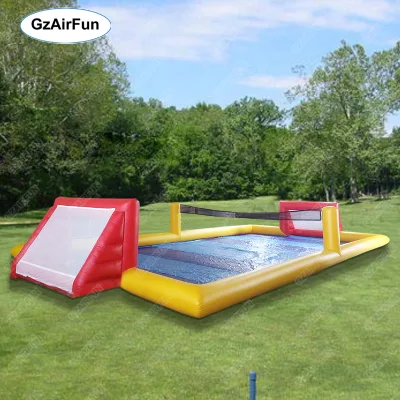
Commercial outdoor inflatable volleyball courts are versatile assets designed for a wide array of applications. The observed usage scenarios include shopping malls, resort hotels, residential complexes, and general commercial spaces. The product is explicitly designed for both indoor and outdoor use, making it adaptable to various environments. For instance, a resort hotel might utilize the court for guest entertainment during the day and as a secure, contained play area at night. Similarly, a shopping mall could deploy the unit in a central atrium to draw foot traffic and engage families.
The versatility extends to the type of play; the units are suitable for indoor or outdoor water volleyball playing, adding a unique dimension to the recreational experience. The gender-neutral design and broad age range (from toddlers to adults) make these courts ideal for public events, festivals, and community gatherings. The ability to customize the color and logo allows operators to integrate the court seamlessly into their existing branding or event themes. Whether used for competitive play or casual entertainment, the inflatable nature of the court ensures a safe, cushioned surface that reduces the risk of injury compared to hard courts.
Long-Term Procurement and Maintenance Considerations
Sourcing a commercial inflatable volleyball court is a long-term investment that requires careful consideration of maintenance and lifecycle management. The 8-year service life is a significant asset, but it is contingent upon proper care and storage. Buyers should establish a maintenance protocol that includes regular inspections of the material for UV damage, punctures, or seam failures. The inclusion of repair kits is essential for immediate on-site fixes, but buyers should also verify the availability of replacement parts from the supplier for more extensive repairs.
Storage is another critical factor. The single package size of 95x65x25 cm suggests that the units can be folded and stored in relatively compact spaces, but the weight of 33.0 kg requires appropriate handling equipment. For commercial operators managing multiple units, logistics planning becomes a priority. The shipping methods available, including sea, air, and express, offer flexibility for restocking or expanding inventory.
Finally, the customization options, such as logo printing and color selection, should be viewed as part of the long-term brand strategy. A well-maintained, branded inflatable court can serve as a mobile marketing tool, increasing brand visibility at various commercial venues. By focusing on high-quality materials like 0.7mm PVC, verifying certifications like CE, and selecting suppliers with robust warranty and support terms, buyers can ensure that their investment in commercial outdoor inflatable volleyball courts delivers value and safety over its full service life.
FAQs
What certifications do commercial inflatable volleyball courts have?
These courts typically carry CE certification to indicate conformity with safety standards. Buyers should verify specific batch documentation to ensure the unit meets local regulatory requirements for fire-retardancy and structural safety before deployment.
How long is the service life of an inflatable volleyball court?
The observed service life for these units is approximately eight years when maintained properly. This longevity depends on using durable 0.7mm PVC materials and following recommended storage and inspection protocols to prevent premature wear.
Can I customize the color and logo on the volleyball court?
Yes, customization is available for both color and logo printing on the unit. Buyers can request specific branding or colors to match their venue, though this may influence the final price and production lead time compared to standard options.
What is the typical lead time for production of these courts?
Standard production time for these inflatable courts ranges from 10 to 15 days. This timeline applies to standard orders, but customized requests with specific logos or dimensions may require coordination with the supplier to confirm exact delivery dates.
Which dimensions are common for commercial outdoor volleyball courts?
Common dimensions include 11 meters by 4.5 meters with a 2-meter height or 12 meters by 6 meters. Buyers must align these specific footprints with their venue space to ensure the court fits the intended indoor or outdoor location.
How much weight can the inflatable volleyball court support?
The allowable passenger capacity generally exceeds 10 individuals simultaneously, with a maximum capacity noted above 500 kg. This ensures safety for group play while maintaining structural integrity under the dynamic forces of volleyball gameplay.
What material is used to construct these commercial courts?
High-performance units are constructed from 0.7mm thick PVC that is fire-retardant and UV-protected. This material thickness is a baseline for heavy-duty commercial use, ensuring airtightness and durability against varying weather conditions.